
What is Auxiliary Heat & Do You Need It?

Auxiliary heat is a secondary heating source built into a heat pump system. It automatically turns on when your heat pump needs an extra boost to warm your home, typically during the coldest winter days here in Mokena and the greater Chicago area. It’s a key feature that helps your heat pump keep you comfortable, but because it’s less efficient than the heat pump itself, it’s important to understand how and when it works.
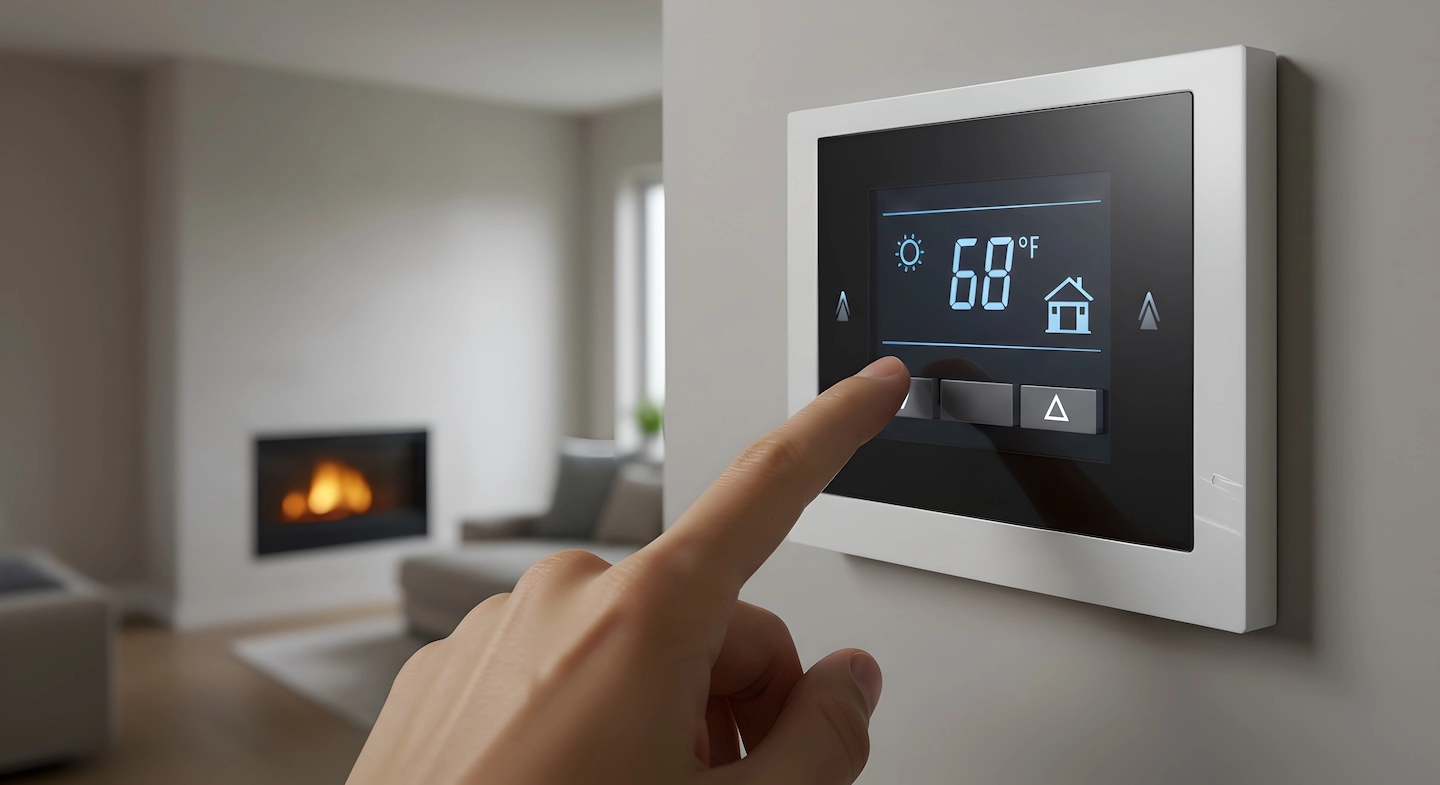
Person using thermostat to check auxiliary heat settings in Mokena home.

What is Auxiliary Heat? The Simple Answer.

Think of your heat pump as a superhero with a sidekick. The heat pump is a master of efficiency, pulling warmth from the outdoor air to heat your home. But when the temperature drops, especially below freezing, it needs a little help. That’s where auxiliary heat comes in. It’s a set of electric heating coils that act like a giant space heater inside your HVAC system. It automatically kicks in to supplement the heat pump, ensuring your home stays warm. You’ll know it’s on because your thermostat will display “Aux Heat” or “Auxiliary Heat.”

Auxiliary Heat vs. Emergency Heat: What’s the Difference?

This is a common point of confusion. Here’s a simple breakdown:

Feature Auxiliary Heat Emergency Heat
Activation Automatic Manual (you must turn it on)
Purpose Supplements the heat pump Bypasses the heat pump completely
When to Use When the heat pump needs a little help (e.g., in freezing weather or after a large temperature change) When your heat pump is broken or not working at all
Efficiency Less efficient than the heat pump, but works with it Least efficient mode; it’s a last resort option


Important: Do not use emergency heat as a daily heating option. It should only be used in an actual heating emergency, like if your heat pump fails and you need to stay warm until a technician from TemperaturePro Mokena can arrive.

How Does My Heat Pump System Work in the Winter?

To understand auxiliary heat, you need to understand how a heat pump operates in the cold Chicago climate.

Your heat pump doesn’t “create” heat; it moves it. In the winter, it pulls warmth from the air outside—yes, even very cold air contains some heat—and transfers it inside. This process is incredibly efficient. However, as the temperature drops below freezing (around 35-40°F), the system has to work harder, and its efficiency starts to decline.

This is the point where your thermostat tells your system: “I’m having a hard time hitting the target temperature. Please turn on the auxiliary heat to help.” The electric coils kick in, quickly generating the heat needed to reach your thermostat’s set point.

When Does Auxiliary Heat Turn On?

You might see “Aux Heat” on your thermostat for a few reasons:

  • Extreme Cold: The most common reason. Your heat pump simply can’t keep up with the heat demand when it’s well below freezing.
  • Rapid Temperature Changes: If you crank your thermostat up by several degrees at once (e.g., from 65°F to 72°F), your system will often use auxiliary heat to reach the new temperature faster.
  • Defrost Cycle: Heat pumps periodically go into a “defrost mode” to melt any ice buildup on the outdoor unit. During this time, the auxiliary heat activates to ensure your home stays warm.

Auxiliary Heat and Your Utility Bill: Why It Matters.

This is the most critical part of understanding auxiliary heat. While a heat pump operates at an efficiency of 200-400% (it moves more heat than the electricity it uses), electric auxiliary heat is only 100% efficient. This means it costs significantly more to run.

If you notice your auxiliary heat running frequently, especially on days that aren’t bitterly cold, it’s a red flag. It could mean your system isn’t working as efficiently as it should.

Common Issues That Cause Excessive Auxiliary Heat Usage:

  • Refrigerant Leak: A low refrigerant charge can prevent your heat pump from effectively transferring heat.
  • Dirty Air Filter: A clogged filter restricts airflow, making your system work harder and less efficiently.
  • Blocked Outdoor Unit: Snow, ice, or debris can prevent the heat pump from absorbing heat from the outdoor air.

If you suspect a problem, it’s a good idea to schedule a professional inspection with a trusted local company like TemperaturePro Mokena. Our expert technicians can diagnose the issue and get your system back to peak performance.

Expert Tips from TemperaturePro Mokena

Set it and Forget It: Avoid large, sudden temperature changes on your thermostat. Setting a steady temperature will prevent your system from relying on costly auxiliary heat to catch up.

  • Regular Maintenance is Key: Get a professional tune-up every year. This ensures your heat pump is running at its maximum efficiency, reducing the need for the less-efficient auxiliary heat.
  • Check Your Air Filter: A clean air filter is the single easiest thing you can do to help your heat pump work efficiently.
  • Consider a Smart Thermostat: A smart thermostat can learn your family’s habits and optimize heating schedules, helping to minimize the use of auxiliary heat.

Frequently Asked Questions (FAQs)

Q: Is it normal for my auxiliary heat to turn on?

A: Yes, it is completely normal and expected, especially during the coldest winter days we experience in Mokena and across Chicagoland. It’s a sign that your system is working as designed.

Q: Why is my auxiliary heat coming on when it’s not that cold outside?

A: If it’s turning on in mild weather, it could be a sign of a problem with your heat pump. Call a professional HVAC technician to inspect your system.

Q: How do I turn off my auxiliary heat?

A: You cannot manually turn off the auxiliary heat. It’s an automatic function of your heat pump system. The goal is not to turn it off but to ensure your system is running efficiently so it doesn’t need to turn on more than necessary.

Q: Will running auxiliary heat damage my system?

A: No, using auxiliary heat will not damage your system. It is designed to be a safe and temporary heating solution. However, excessive use can lead to higher electricity bills.

Q: When should I call an expert about my auxiliary heat?

A: If your auxiliary heat runs constantly, or if you feel like your heat pump isn’t heating your home properly, it’s time to call a professional. The experts at TemperaturePro Mokena are ready to help.

Do Mini Splits Turn Off When the Temperature Is Reached?

Ductless mini split HVAC systems have been gaining popularity in recent years as an affordable and efficient alternative to older AC systems. With that newfound popularity comes no shortage of questions and concerns from homeowners and building managers looking to learn more. If you’ve recently installed a ductless mini split system in your home, or if you’re considering it as an option, a common question you may be asking is: Do they turn off when the set temperature is reached?

The short answer is no, but that’s not a bad thing!

Mini split AC system visualized.

How mini splits work.

Ductless mini split systems use something called inverter technology. This allows them to adjust the speed of their compressor dynamically to meet your heating or cooling needs. They differ from traditional HVAC systems because they don’t simply turn on or off to heat and cool. Instead, mini splits regulate their air output to deliver just the right amount of conditioned air needed to maintain the temperature you set. This means that rather than having an intermittent blast of air that quickly and noticeably changes the temperature in the room, mini splits provide a constant, but weaker stream.

So do they ever turn off?

Yes, mini split systems do turn off, but not in the same way a traditional HVAC system does. When the desired temperature is reached, a mini split system will significantly lower its fan speed rather than shutting off completely. This helps in a few ways, making it easy to maintain a constant temperature, reducing energy waste, and minimizing the overall wear caused by the usual cycling that traditional AC systems experience, in turn requiring less maintenance.

That being said, in very mild weather, or particularly well-insulated buildings, a ductless mini split system may well turn off entirely for a while before it restarts. In short, they can and do shut off completely, but only under certain conditions.

This way of conditioning your home is much more efficient than alternative AC systems, which simply blast a powerful jet of air until the thermostat tells them to stop. Mini split systems, running continuously at a lower speed, not only keep a more consistent temperature, but they also often do so at a lower overall energy cost.

Adjusting the temperature with a mini split AC system.

When you should worry about your system running non-stop.

As we’ve mentioned, it’s normal for mini split systems to run constantly. However, the exception to this is when the system runs for long periods of time at high power. If you have a ductless mini split HVAC system and you’ve noticed it’s running too high for too long, this could be an indication of:

  • A dirty filter or coil
  • An issue with the refrigerant
  • Improper size for the room

If your mini split system appears to be struggling or running higher than usual, we recommend booking an inspection with TemperaturePro to take a look before your energy bill starts to rise.

Ductless mini split AC systems are designed to be smart, efficient, and responsive to ever-changing temperatures. While they don’t often turn off completely when your desired temperature is reached, that is a big part of what makes them a more efficient option compared to more traditional alternatives.

Have more questions about ductless mini split systems? Give us a call at (708) 390-7165, and we’ll be happy to help with questions and advice!

Frozen AC? It’s Not an Oxymoron: What Mokena Homeowners Need to Know About Frozen Evaporator Coils

That blast of cool air on a warm Mokena day is something we often take for granted. But what happens when your air conditioner starts acting…frosty? While it’s counterintuitive, it’s not uncommon for an AC unit in Mokena to freeze, even on a warmer day. While a frozen evaporator coil can come as a surprise, there’s no need to sweat it (at least not too much).

At TemperaturePro Mokena, we understand how crucial a functioning AC is, especially during the summers. That’s why we want to shed some light on this problem, explain why it happens, and what you should do if you suspect a frozen evaporator coil at your home in Mokena.

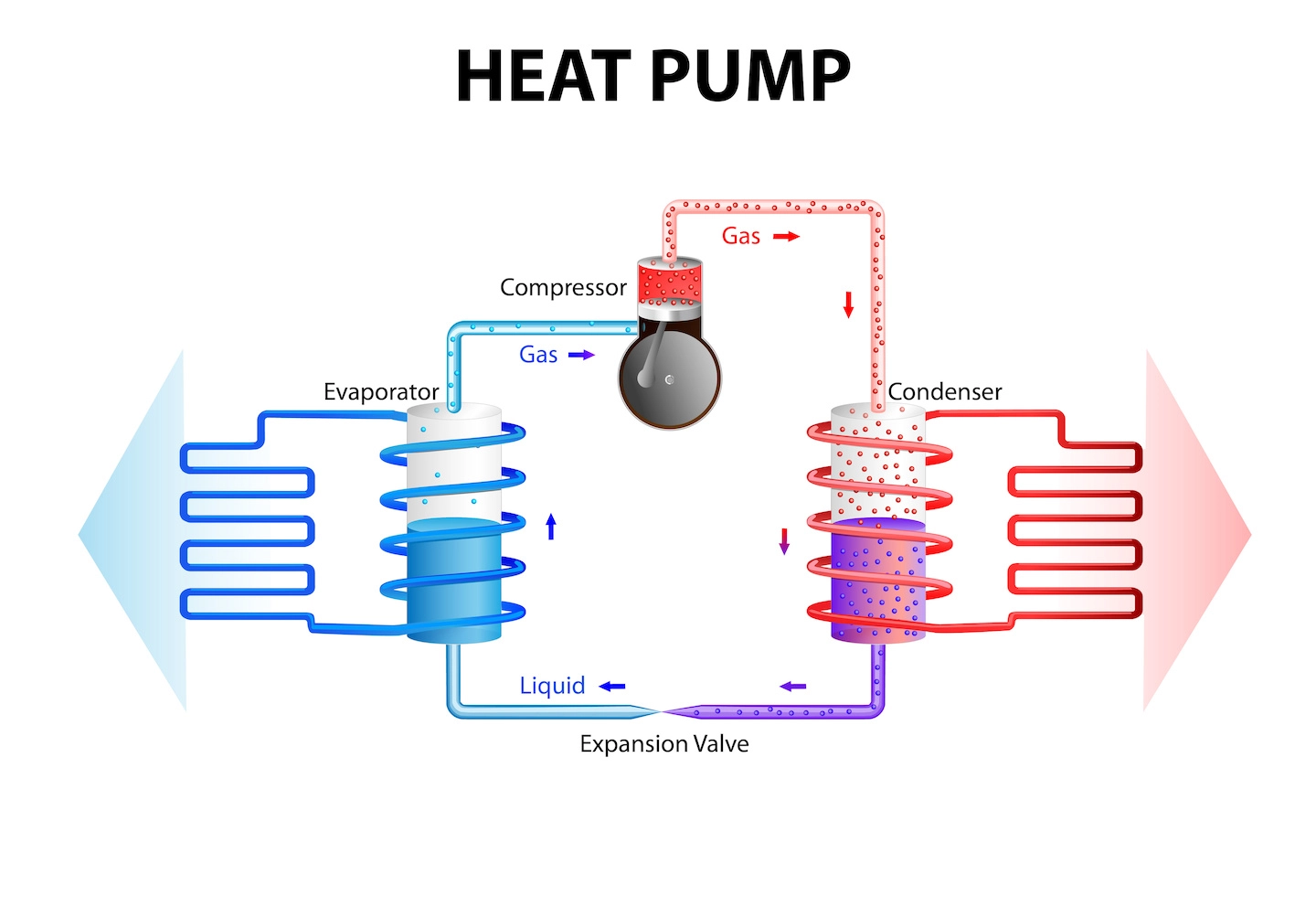
Graphic illustrating how an evaporator coil works in a heat pump air conditioner.

What is an Evaporator Coil and Why Does it Matter?

Think of your evaporator coil as the heart of your air conditioning system’s cooling process. Located within your indoor unit, this coil is filled with refrigerant. As warm air from your Mokena home is blown across the cold evaporator coil, the refrigerant absorbs the heat. This cooled air is then circulated back into your living spaces, providing that much-needed relief.

The Chilling Truth: Why Evaporator Coils Freeze Up

So, why would this vital component suddenly turn into an ice block? Several factors can contribute to a frozen evaporator coil:

  • Dirty Air Filters: The Number One Culprit. Just like the Illinois dust and pollen can accumulate on your windows, it can also clog your AC’s air filter. A dirty filter restricts airflow, preventing enough warm air from passing over the coil. This lack of warm air causes the coil to become too cold, leading to condensation freezing on its surface. Regularly changing your air filter is the easiest way to prevent this!
  • Restricted Airflow Elsewhere: Beyond the filter, blocked return or supply vents, closed dampers, or even a dirty blower wheel can hinder proper airflow across the coil. Make sure furniture and other obstructions aren’t blocking your vents.
  • Low Refrigerant Levels: A Silent Problem. Refrigerant is the lifeblood of your AC. If your system is low on refrigerant (due to a leak), the pressure in the system drops, causing the evaporator coil to get excessively cold – cold enough to freeze moisture. This is a problem that requires professional attention.
  • Mechanical Issues: Sometimes, a malfunctioning blower motor won’t circulate air effectively, even with a clean filter. Thermostat problems that cause the AC to run constantly can also lead to freezing.
  • Running the AC in Cold Weather: While Mokena doesn’t often see extended periods of cold during typical AC usage, running your air conditioner when outdoor temperatures are consistently below 60°F can sometimes cause the coil to freeze.

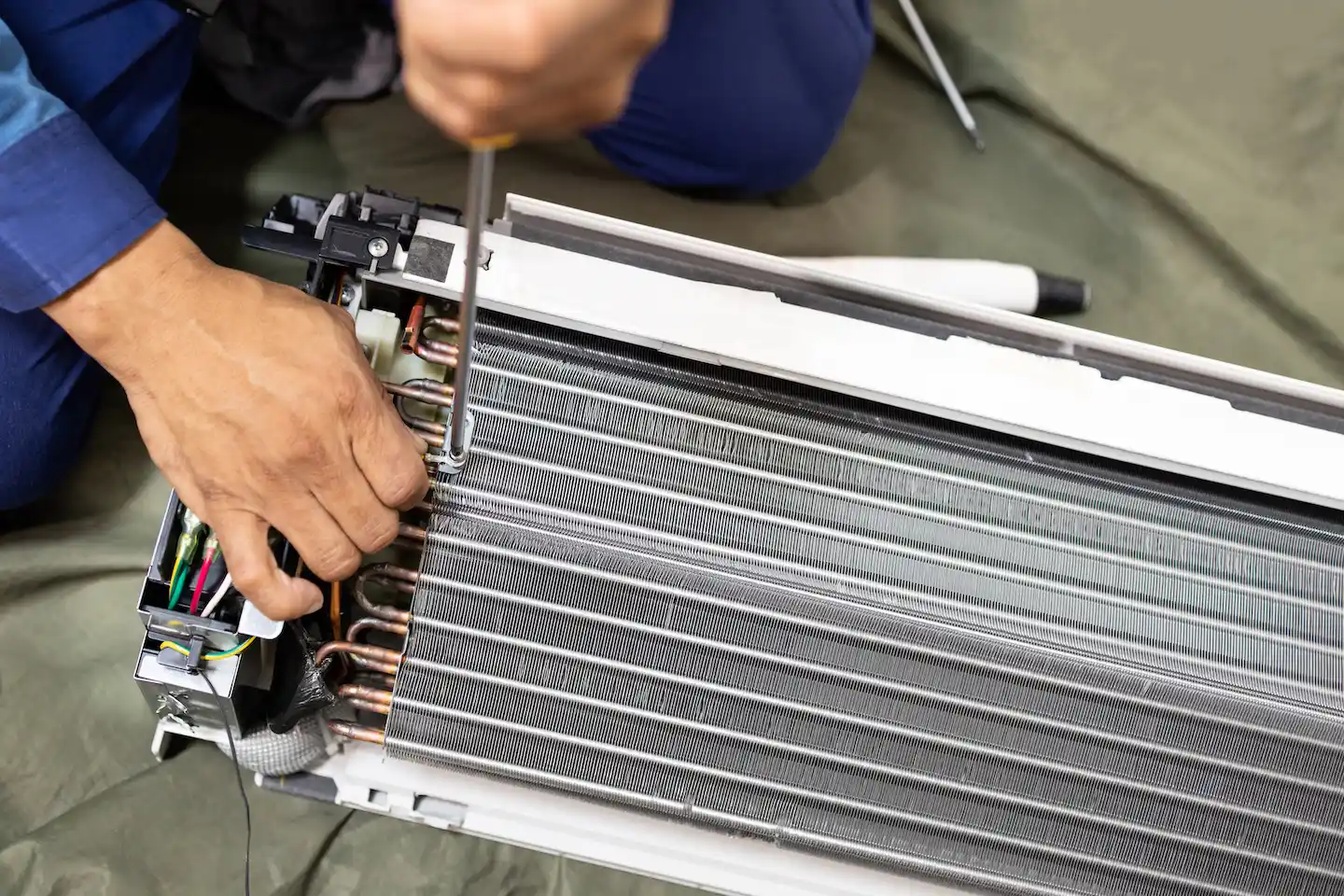
Mokena HVAC technician using screwdriver to repair AC evaporator coil.

What Should a Mokena Homeowner Do If They Suspect a Frozen Coil?

If you notice reduced airflow, weak cooling, or visible ice on your indoor AC unit, here’s what you should do:

  • Turn Off Your AC Immediately: This is crucial to prevent further damage to your system.
  • Switch Your Thermostat Fan Setting to “ON”: This will circulate warmer room air over the frozen coil, helping it to thaw.
  • Check and Replace Your Air Filter: As mentioned, a dirty filter is a primary cause.
  • Ensure Vents Are Open and Unobstructed: Take a quick walk around your home to check for any blockages.
  • Wait for the Coil to Thaw Completely: This can take several hours. Don’t rush the process.
  • Monitor After Thawing: Once thawed, turn your AC back on and see if it cools properly. If the coil freezes again, it indicates a more serious underlying issue.

When to Call the Mokena HVAC Experts at TemperaturePro

While some causes like a dirty filter are easy to address yourself, a recurring frozen evaporator coil often signals a more complex problem, such as a refrigerant leak or a mechanical malfunction. These issues require the expertise of a certified HVAC technician.

Don’t let a frozen evaporator coil leave your Mokena home feeling like a sauna! If you suspect a problem or want to ensure your AC system is running efficiently and reliably, book online with the team at TemperaturePro Mokena. We’re your local experts for AC repair, maintenance, and installation.

When to Call TemperaturePro Mokena: Furnace Blower Motor Replacement Signs & Solutions

When you wake up on a chilly Mokena morning, you expect the cozy warmth of your furnace. But sometimes, you’re only greeted by a faint whisper of air from your vents. This could mean that your furnace blower motor is failing. This crucial component, the heart of your forced-air heating system, is responsible for circulating warm air throughout your home. When it falters, your comfort and your heating efficiency suffer. At TemperaturePro Mokena, we understand the importance of a properly functioning furnace. We’re here to help you recognize the signs of a failing blower motor and provide expert furnace blower motor replacement when you need it most.

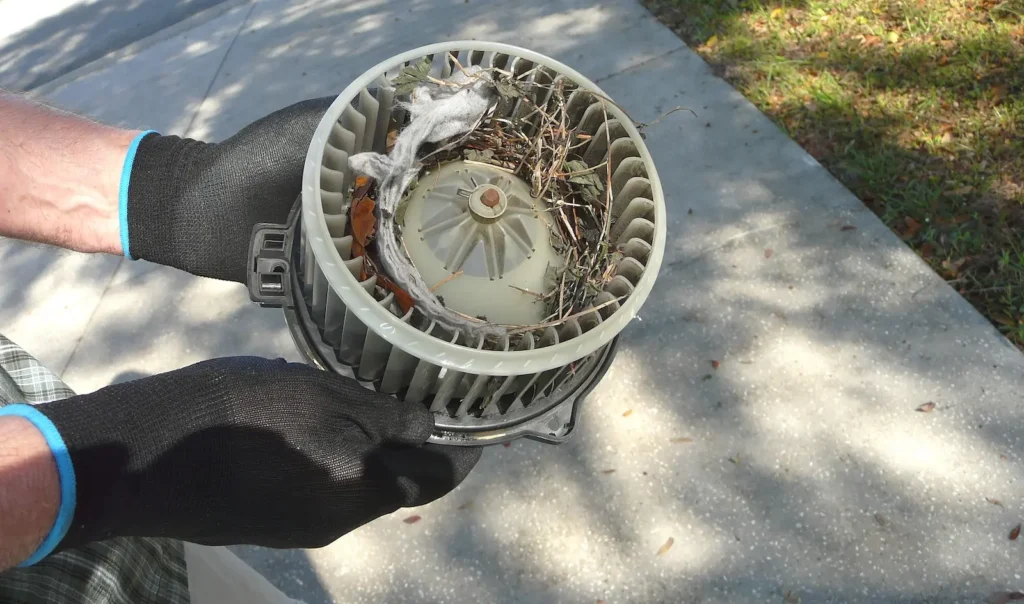
TemperaturePro Mokena technician holding dirty furnace blower motor.

What is a Furnace Blower Motor?

Your furnace blower motor is the workhorse that moves air through your heating system. It draws in cold air, pushes it across the heat exchanger where it’s warmed, and then forces that heated air through your ductwork and into your rooms. There are a few different types of blower motors: single-speed, multi-speed, and variable-speed. Single-speed motors are basic, while multi-speed offers some control. Variable-speed motors are the most efficient, adjusting their output for consistent comfort and energy savings. A healthy blower motor means efficient heating, even temperatures, and lower energy bills.

Key Signs You Need Furnace Blower Motor Replacement

Don’t wait for a complete breakdown! Here are the telltale signs that you might need furnace blower motor replacement:

  • Unusual Noises: Screeching, rattling, or humming sounds coming from your furnace are a red flag.
  • Weak or Inconsistent Airflow: If you’re noticing a significant drop in airflow from your vents, it’s a sign your blower motor may be struggling.
  • Frequent Cycling: If your furnace is turning on and off more often than usual, it could indicate a problem with the blower motor.
  • Furnace Overheating: A malfunctioning blower motor can lead to overheating, causing your furnace to shut down completely.
  • Increased Energy Bills: A faulty motor can make your furnace work harder, resulting in higher energy bills.

If you’re experiencing any of these issues, it’s time to call the professionals at TemperaturePro Mokena.

The Importance of Professional Replacement

Attempting DIY furnace blower motor replacement can be risky. Electrical hazards, improper installation, and incorrect sizing can lead to further damage and safety concerns. Our experienced and certified technicians at TemperaturePro Mokena ensure:

  • Accurate diagnosis and proper replacement.
  • Safety and efficiency assurance.
  • Correct sizing and wiring of the new motor.
  • Warranty on parts and labor.

We prioritize your safety and comfort, providing reliable and professional service you can trust.

TemperaturePro Mokena’s Furnace Blower Motor Replacement Process

When you choose TemperaturePro Mokena, you can expect a seamless and stress-free replacement process:

  • Thorough Inspection and Diagnosis: We’ll pinpoint the exact issue and determine the best solution.
  • Explanation of Replacement Options and Costs: We’ll provide transparent pricing and explain your options.
  • Efficient and Professional Installation: Our technicians will install your new blower motor with precision and care.
  • Testing and Ensuring Proper Operation: We’ll test the system to ensure it’s functioning correctly.
  • Clean Up: We will leave your home as clean as we found it.

We’re committed to your satisfaction, and we’ll work diligently to restore your home’s comfort.

Preventative Maintenance for Blower Motor Longevity:

Extend the lifespan of your blower motor with these maintenance tips:

  • Regular Filter Changes: Clean filters allow for optimal airflow.
  • Professional Furnace Tune-ups: Schedule annual tune-ups to keep your system in top condition.
  • Keep the Furnace Area Clean: Remove dust and debris from around your furnace.
  • Check for Loose Connections: Periodic checks can prevent electrical issues.

As a homeowner, we understand that you probably don’t think twice about your furnace performance, until you’re dealing with a dreaded system breakdown. That’s why we offer a ProPlan maintenance plan to help keep your HVAC system operating at peak performance year-round.

Call TemperaturePro Mokena for Furnace Blower Motor Replacement

Don’t let a faulty blower motor leave you in the cold. If you’re experiencing any of the signs mentioned above, or if you need furnace blower motor replacement in Mokena, contact TemperaturePro Mokena today! We’re here to restore your home’s comfort and ensure your heating system is running efficiently.

Understanding Your Boiler Replacement Cost in Mokena: A Comprehensive Guide

Is your boiler showing its age? Are you dreading the potential boiler replacement cost? As a homeowner in Mokena, Illinois, you know how crucial a reliable heating system is during our harsh winters. At TemperaturePro Mokena, we understand that navigating the complexities of HVAC systems can be daunting, especially when it comes to significant investments like boiler replacements. 

That’s why we’re here to demystify the process and provide you with a comprehensive guide to understanding your boiler replacement cost. Understanding the boiler replacement cost is crucial for budgeting and making informed decisions. 

With our expertise and commitment to transparent pricing, TemperaturePro Mokena aims to make this process as smooth as possible, ensuring you stay warm and comfortable throughout the winter months.

Chicago skyline and park seen from high rise building.

Factors That Influence Boiler Replacement Cost

Several factors contribute to the overall cost of a boiler replacement. Let’s break them down:

Type of Boiler and Fuel Source:

Gas boilers are the most common in Mokena, known for their efficiency and cost-effectiveness. Oil and electric boilers are also options, each with unique advantages and disadvantages. Gas boilers are often the most affordable to install.

Boiler Size and BTU Output:

The size of your home and its heating needs dictate the boiler’s required British Thermal Unit (BTU) output. Proper sizing is essential for efficiency and performance. An undersized boiler will struggle, while an oversized one will waste energy.

Efficiency Rating (AFUE):

The Annual Fuel Utilization Efficiency (AFUE) rating indicates how efficiently a boiler converts fuel into heat. High-efficiency boilers (90%+ AFUE) can significantly reduce your energy bills. Condensing boilers offer the highest efficiency but may have a higher upfront cost. However, this upfront boiled replacement cost pays off in the long run as you save on energy bills.

Complexity of Installation:

Simple replacements in the same location are less expensive. Complex installations involving relocating the boiler, installing new piping, or modifying venting systems will increase costs. Older homes may present additional challenges.

Labor Costs:

Labor costs vary depending on the complexity of the job and the experience of the technician. Qualified technicians ensure proper installation and safety.

Additional Work:

Replacing pipes, radiators, or thermostats adds to the overall cost. These components may need upgrading to match the new boiler’s performance.

Brand and Model:

Reputable brands offer reliable performance and warranties. Premium models may have advanced features and higher price tags.

General Boiler Replacement Cost Ranges in Mokena

In Mokena, homeowners can generally expect to pay anywhere from $3,500 to $10,000 for a complete boiler replacement, including installation. These are estimates, and the actual cost will vary based on the specific factors mentioned above. For a personalized and accurate quote, contact TemperaturePro Mokena.

Maximizing Your Investment and Reducing Costs

Energy Efficiency Tips:

Regular boiler maintenance, proper home insulation, and thermostat programming can help maximize energy efficiency and reduce operating costs.

Financing Options:

TemperaturePro Mokena may offer financing options to make boiler replacements more affordable. Ask us about our current financing plans.

Importance of Professional Installation:

Hiring a qualified technician ensures safe and efficient installation. DIY boiler installation can be dangerous and lead to costly repairs.

Boiler heating system in garage of home in Mokena, Illinois.

Why Choose TemperaturePro Mokena for Your Boiler Replacement?

At TemperaturePro Mokena, we pride ourselves on our expertise and commitment to customer satisfaction. Our certified technicians have the knowledge and experience to handle all your boiler replacement needs. We offer transparent pricing, quality workmanship, and reliable service. As a locally owned and operated business, we understand the unique heating needs of Mokena residents. Contact TemperaturePro Mokena today for a free, no-obligation boiler replacement quote.

Affordable Boiler Replacement Costs with TemperaturePro Mokena

Understanding the boiler replacement cost is essential for making informed decisions and ensuring your home stays warm and comfortable. By considering the factors outlined in this guide, you can better prepare for this significant investment. 

At TemperaturePro Mokena, we’re here to help you every step of the way. Contact us today to schedule a consultation and experience the difference of working with a trusted local HVAC expert. We look forward to providing you with comfortable and efficient heating for years to come.

What Size Furnace Do I Need for My Mokena Home?

Choosing the right furnace size can be a real head-scratcher. Too small, and you’ll be shivering through those chilly Mokena winters. Too big, and you’ll be wasting money on energy bills and dealing with uneven heating. But don’t worry, TemperaturePro Mokena is here to help you find that Goldilocks furnace – the one that’s just right.

Understanding Furnace Types

Before we dive into sizing, let’s quickly review the main types of furnaces:

  • Natural Gas Furnaces: The most common type, offering efficiency and relatively low operating costs.
  • Electric Furnaces: Environmentally friendly and great for those without access to natural gas lines.
  • Oil Furnaces: Effective in very cold climates but less common due to fluctuating oil prices.

Each type has its own set of pros and cons, so it’s important to consider your specific needs and preferences.

Factors Affecting Furnace Size

Now, let’s get down to the nitty-gritty of furnace sizing. Here are the key factors to consider:

Home Size

  • Square Footage: The bigger your house, the more powerful your furnace needs to be. To get a rough estimate, calculate the square footage of each floor (length x width) and add them together.
  • Ceiling Height: High or vaulted ceilings? You’ll need to factor in that extra space. A simple calculation is to multiply your square footage by your ceiling height to get cubic footage. Then, multiply that number by 0.133 to find the approximate BTUs needed.

Calculating Square Footage

  • Measure: Homeowners can measure the length and width of each room in their home in feet.
  • Calculate: Multiply the length and width of each room to find the square footage.
  • Add: Add up the square footage of all rooms to find the total heated area of their home.
Room Length (feet) Width (feet) Square Footage (length x width)
Living Room 15 20 300
Kitchen 12 10 120
Bedroom 1 14 12 168
Bedroom 2 10 11 110
Total 698 sq ft


Climate Zone

Different climates have different heating requirements, so your location plays a big role in determining the right furnace size. Mokena, Illinois is in Climate Zone 5. This means you’ll need a furnace with a higher BTU output per square foot to keep your home warm during those chilly Midwestern winters. Here’s a general guideline for BTU output based on climate zone:

Climate Zone BTU per Square Foot
1 (Warmest) 30-35
2 35-40
3 40-45
4 45-50
5 (Coldest) 50-60


Estimated BTU Output Needed Based on Square Footage (Climate Zone 5)

Square Footage Estimated BTU Output
500 – 700 25,000 – 42,000
700 – 1,000 35,000 – 60,000
1,000 – 1,500 50,000 – 90,000
1,500 – 2,000 75,000 – 120,000
2,000 – 2,500 100,000 – 150,000
2,500 – 3,000 125,000 – 180,000


Insulation and Air Sealing

  • Insulation: A well-insulated home is a happy home (and a less expensive one to heat!). Check the R-values of your insulation – higher is better.
  • Air Sealing: Seal up those drafty windows and doors to prevent heat loss and reduce the strain on your furnace.

Windows and Sunlight

  • Window Efficiency: Old, single-pane windows are heat suckers. Consider upgrading to energy-efficient windows to keep those heating bills down.
  • Sunlight Exposure: South-facing windows can provide some passive heating, potentially reducing your furnace needs.

Other Factors

  • Number of Occupants: More bodies = more heat.
  • Appliances and Electronics: These generate heat, which can contribute to overall warmth.
  • Desired Temperature: If you like it toasty, you might need a slightly larger furnace.

Important Notes

  • Avoid Oversizing: An oversized furnace will short cycle, leading to inefficiency and premature wear and tear.
  • Manual J Load Calculation: For the most accurate furnace sizing, contact TemperaturePro Mokena for a professional Manual J load calculation. Our experts will consider all the factors mentioned above to recommend the perfect furnace for your home.

Why Choose TemperaturePro Mokena?

At TemperaturePro Mokena, we’re not just about selling furnaces – we’re about building relationships with our customers and ensuring their comfort. Here’s why you can trust us with your furnace needs:

  • Customer-Focused: We prioritize your satisfaction and strive to provide a seamless and respectful service experience.
  • Expert Technicians: Our highly trained and certified technicians can handle any furnace installation or repair.
  • Well-Equipped: We come prepared with the tools and parts to get the job done efficiently.
  • Core Values: Honesty, transparency, and upfront pricing are at the heart of everything we do.

Ready to find the perfect furnace for your Mokena home? Contact TemperaturePro Mokena today for a free consultation!