
When to Replace Your Furnace: Signs Chicago Homeowners Should Know

Our winters here in Illinois are notoriously long and cold, which means your furnace has to work hard for months on end to keep your home comfortable. At this level of use, even well-maintained systems begin to suffer, losing some efficiency and reliability. Understanding when to replace a furnace can help you avoid unexpected breakdowns during the coldest months of the year when you need it the most.

On average, furnaces last between 15 and 20 years, but factors such as maintenance, installation quality, and typical winter workload can affect your furnace lifespan, especially in colder climates like Chicago. If you think you might need a furnace replacement in Mokena or the surrounding area, recognizing the early warning signs can help you plan ahead rather than being caught off guard by an unexpected emergency repair.

When To Repair or Replace Your Furnace

Not every furnace problem requires a complete replacement. In many cases, repairs can be the best option, especially if your system is relatively new or lightly used.

If your furnace is less than 10 to 12 years old and the issue is minor, like a faulty thermostat, a clogged filter, or a worn component, a quick heating repair is usually all you need. Pair these occasional repairs with regular furnace maintenance, and your system can run efficiently for years.

However, a furnace replacement in Mokena becomes the smarter investment when repair costs start to add up, as older systems tend to experience more frequent failures as parts wear out. If you suspect your system is nearing the end of its expected lifespan or consistently requires costly repairs, knowing when to replace a furnace can save you money on repairs and improve your system’s efficiency.

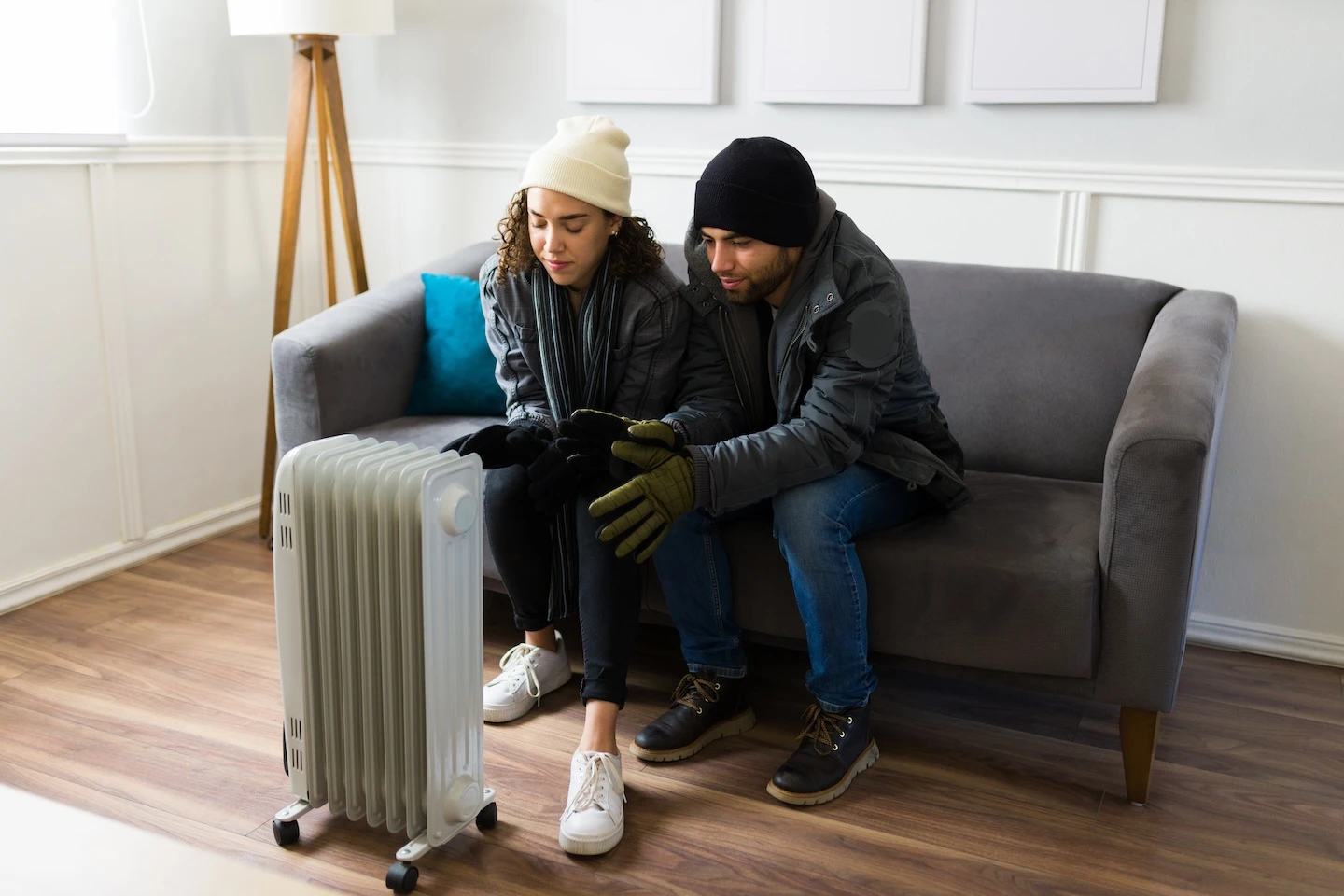
A young couple huddles next to a heater for warmth.

What to Watch For

A failing furnace rarely stops working without letting off a few warning signs first. Most systems show clear signs of declining performance long before they break down completely. If you’re wondering when to replace your furnace, keep an eye out for the following signs.

Your Furnace Is More Than 15 Years Old

The age of your unit is one of the biggest indicators that a necessary furnace replacement may be approaching. The typical furnace lifespan Chicago homeowners can expect is between 15 and 20 years. This is because, as furnaces age, their internal components wear down, leading to a decline in efficiency. Even if your system still runs, you’ll likely notice it struggling to keep up in extremely cold weather.

Your Energy Bills Keep Rising

An unexplained increase in your energy bills is something that can easily fly under the radar, but it often signals that your furnace is losing efficiency, requiring more fuel to achieve the same comfortable atmosphere. This can creep up on you, as the decline in efficiency will often be gradual, so you may not notice for months until suddenly realizing your furnace lifespan is reaching its end.

Uneven Heating Throughout the Home

Do some rooms feel comfortable and warm, while others stay chilly? Uneven temperatures often indicate that your furnace is struggling to distribute heat effectively. This can happen when internal components begin to wear out or when the system no longer has the capacity to meet your home’s heating demands.

Frequent Repairs

Occasional repairs are normal for any HVAC system, but as we mentioned earlier, frequent service calls are a strong indicator that the furnace is nearing the end of its life. If you find yourself calling for repairs every winter, a furnace replacement in Mokena could very well save you money and give you the peace of mind that you can rely on your furnace.

Strange Noises or Odors

Furnaces should operate relatively quietly. Loud banging, rattling, or grinding noises are often a strong indicator of mechanical problems or worn components. On a similar note, unusual odors or burning smells (outside of the usual smell you get when first turning on your furnace after the summer months) could indicate overheating parts or other issues that require immediate attention.

Addressing these issues with a heating inspection is essential both to keep your system running well and to prevent potential fire hazards.

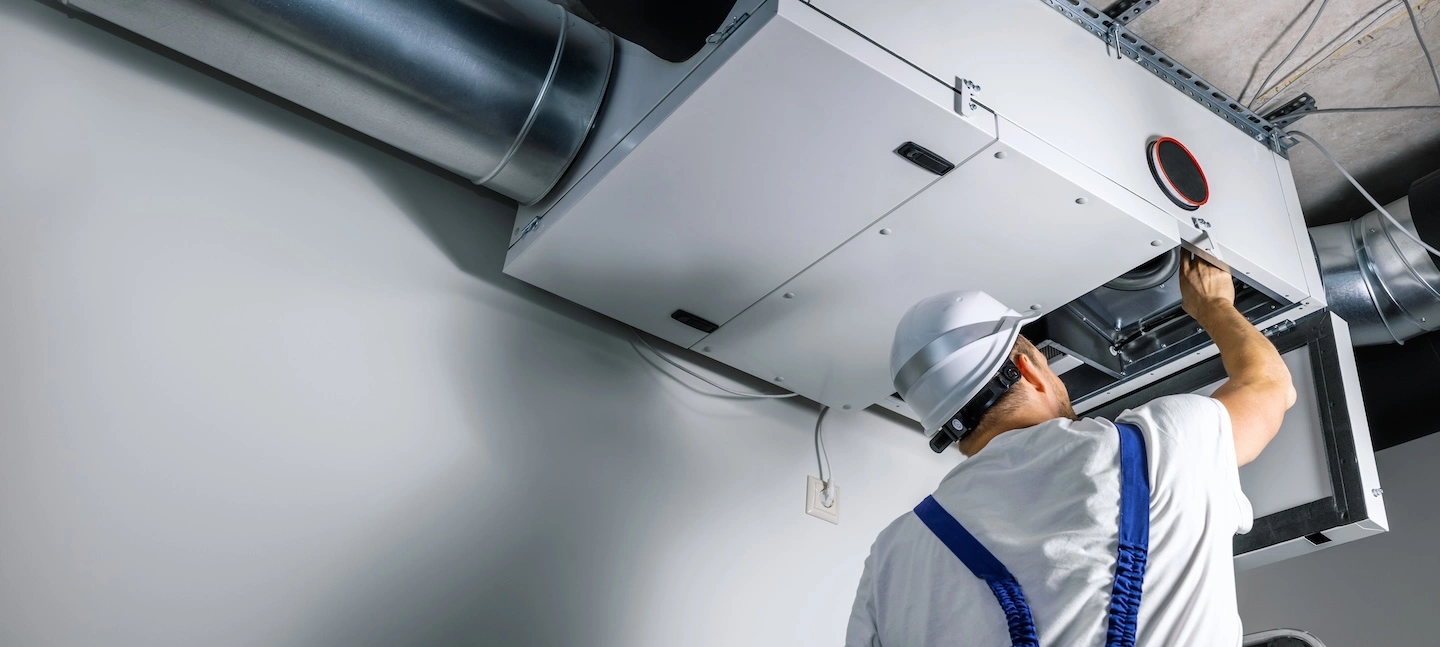
HVAC technician repairing a broken heater.

The Importance of Maintenance

Regular heating maintenance plays a major role in how long your furnace lifespan is, and this is particularly true for places like Chicago, where furnaces see heavy use during the winter months. Systems that receive annual professional heating maintenance and regular filter changes often last far longer than those that are neglected.

Proper maintenance helps technicians catch small issues before they become serious problems. Cleaning components, checking airflow, and inspecting safety systems all contribute to improved efficiency and safer operation. Even if your furnace is running well, scheduling yearly maintenance can help ensure reliable performance during Chicago’s coldest months.

Why We Recommend Working With a Professional

Deciding when to replace your furnace is not always easy or obvious. Working with a professional HVAC technician, such as our team of certified experts at TemperaturePro Mokena, allows us to evaluate your current system, inspect its components, and determine whether repairs or replacement is the best option.

Should replacement be the best option, we’ll also ensure that your new furnace is properly sized for your home. Incorrect sizing can reduce efficiency, cause temperature fluctuations, and shorten the overall furnace lifespan.

Working with experienced technicians will give you peace of mind that the system will be installed both safely and correctly. We’ll never recommend something we don’t think you’ll need, so if you’re looking for a furnace replacement in Mokena or think your furnace is underperforming, call us at (708) 304-4028 or contact us online today!

What is Auxiliary Heat & Do You Need It?

Auxiliary heat is a secondary heating source built into a heat pump system. It automatically turns on when your heat pump needs an extra boost to warm your home, typically during the coldest winter days here in Mokena and the greater Chicago area. It’s a key feature that helps your heat pump keep you comfortable, but because it’s less efficient than the heat pump itself, it’s important to understand how and when it works.

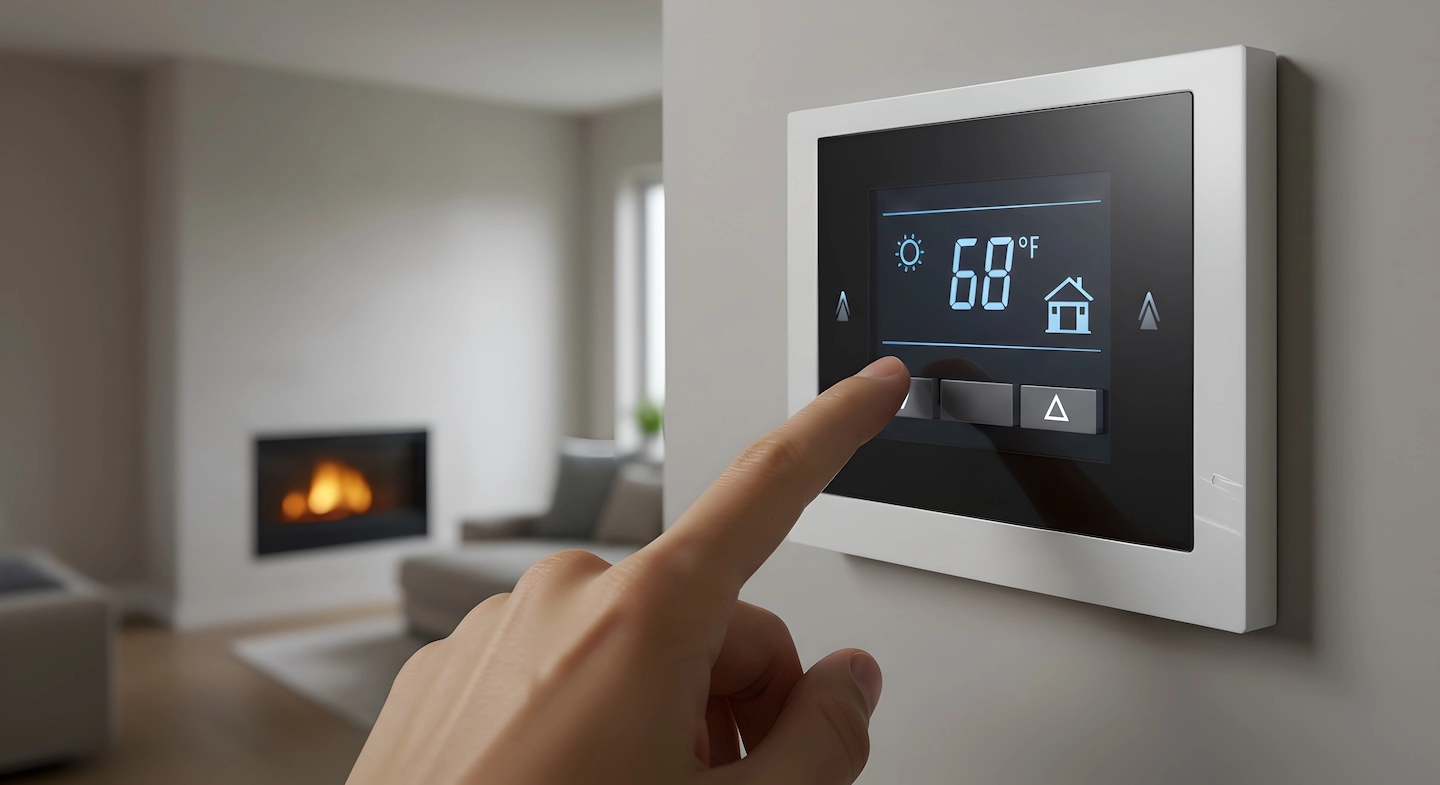
Person using thermostat to check auxiliary heat settings in Mokena home.

What is Auxiliary Heat? The Simple Answer.

Think of your heat pump as a superhero with a sidekick. The heat pump is a master of efficiency, pulling warmth from the outdoor air to heat your home. But when the temperature drops, especially below freezing, it needs a little help. That’s where auxiliary heat comes in. It’s a set of electric heating coils that act like a giant space heater inside your HVAC system. It automatically kicks in to supplement the heat pump, ensuring your home stays warm. You’ll know it’s on because your thermostat will display “Aux Heat” or “Auxiliary Heat.”

Auxiliary Heat vs. Emergency Heat: What’s the Difference?

This is a common point of confusion. Here’s a simple breakdown:

Feature Auxiliary Heat Emergency Heat
Activation Automatic Manual (you must turn it on)
Purpose Supplements the heat pump Bypasses the heat pump completely
When to Use When the heat pump needs a little help (e.g., in freezing weather or after a large temperature change) When your heat pump is broken or not working at all
Efficiency Less efficient than the heat pump, but works with it Least efficient mode; it’s a last resort option


Important: Do not use emergency heat as a daily heating option. It should only be used in an actual heating emergency, like if your heat pump fails and you need to stay warm until a technician from TemperaturePro Mokena can arrive.

How Does My Heat Pump System Work in the Winter?

To understand auxiliary heat, you need to understand how a heat pump operates in the cold Chicago climate.

Your heat pump doesn’t “create” heat; it moves it. In the winter, it pulls warmth from the air outside—yes, even very cold air contains some heat—and transfers it inside. This process is incredibly efficient. However, as the temperature drops below freezing (around 35-40°F), the system has to work harder, and its efficiency starts to decline.

This is the point where your thermostat tells your system: “I’m having a hard time hitting the target temperature. Please turn on the auxiliary heat to help.” The electric coils kick in, quickly generating the heat needed to reach your thermostat’s set point.

When Does Auxiliary Heat Turn On?

You might see “Aux Heat” on your thermostat for a few reasons:

  • Extreme Cold: The most common reason. Your heat pump simply can’t keep up with the heat demand when it’s well below freezing.
  • Rapid Temperature Changes: If you crank your thermostat up by several degrees at once (e.g., from 65°F to 72°F), your system will often use auxiliary heat to reach the new temperature faster.
  • Defrost Cycle: Heat pumps periodically go into a “defrost mode” to melt any ice buildup on the outdoor unit. During this time, the auxiliary heat activates to ensure your home stays warm.

Auxiliary Heat and Your Utility Bill: Why It Matters.

This is the most critical part of understanding auxiliary heat. While a heat pump operates at an efficiency of 200-400% (it moves more heat than the electricity it uses), electric auxiliary heat is only 100% efficient. This means it costs significantly more to run.

If you notice your auxiliary heat running frequently, especially on days that aren’t bitterly cold, it’s a red flag. It could mean your system isn’t working as efficiently as it should.

Common Issues That Cause Excessive Auxiliary Heat Usage:

  • Refrigerant Leak: A low refrigerant charge can prevent your heat pump from effectively transferring heat.
  • Dirty Air Filter: A clogged filter restricts airflow, making your system work harder and less efficiently.
  • Blocked Outdoor Unit: Snow, ice, or debris can prevent the heat pump from absorbing heat from the outdoor air.

If you suspect a problem, it’s a good idea to schedule a professional inspection with a trusted local company like TemperaturePro Mokena. Our expert technicians can diagnose the issue and get your system back to peak performance.

Expert Tips from TemperaturePro Mokena

Set it and Forget It: Avoid large, sudden temperature changes on your thermostat. Setting a steady temperature will prevent your system from relying on costly auxiliary heat to catch up.

  • Regular Maintenance is Key: Get a professional tune-up every year. This ensures your heat pump is running at its maximum efficiency, reducing the need for the less-efficient auxiliary heat.
  • Check Your Air Filter: A clean air filter is the single easiest thing you can do to help your heat pump work efficiently.
  • Consider a Smart Thermostat: A smart thermostat can learn your family’s habits and optimize heating schedules, helping to minimize the use of auxiliary heat.

Frequently Asked Questions (FAQs)

Q: Is it normal for my auxiliary heat to turn on?

A: Yes, it is completely normal and expected, especially during the coldest winter days we experience in Mokena and across Chicagoland. It’s a sign that your system is working as designed.

Q: Why is my auxiliary heat coming on when it’s not that cold outside?

A: If it’s turning on in mild weather, it could be a sign of a problem with your heat pump. Call a professional HVAC technician to inspect your system.

Q: How do I turn off my auxiliary heat?

A: You cannot manually turn off the auxiliary heat. It’s an automatic function of your heat pump system. The goal is not to turn it off but to ensure your system is running efficiently so it doesn’t need to turn on more than necessary.

Q: Will running auxiliary heat damage my system?

A: No, using auxiliary heat will not damage your system. It is designed to be a safe and temporary heating solution. However, excessive use can lead to higher electricity bills.

Q: When should I call an expert about my auxiliary heat?

A: If your auxiliary heat runs constantly, or if you feel like your heat pump isn’t heating your home properly, it’s time to call a professional. The experts at TemperaturePro Mokena are ready to help.