

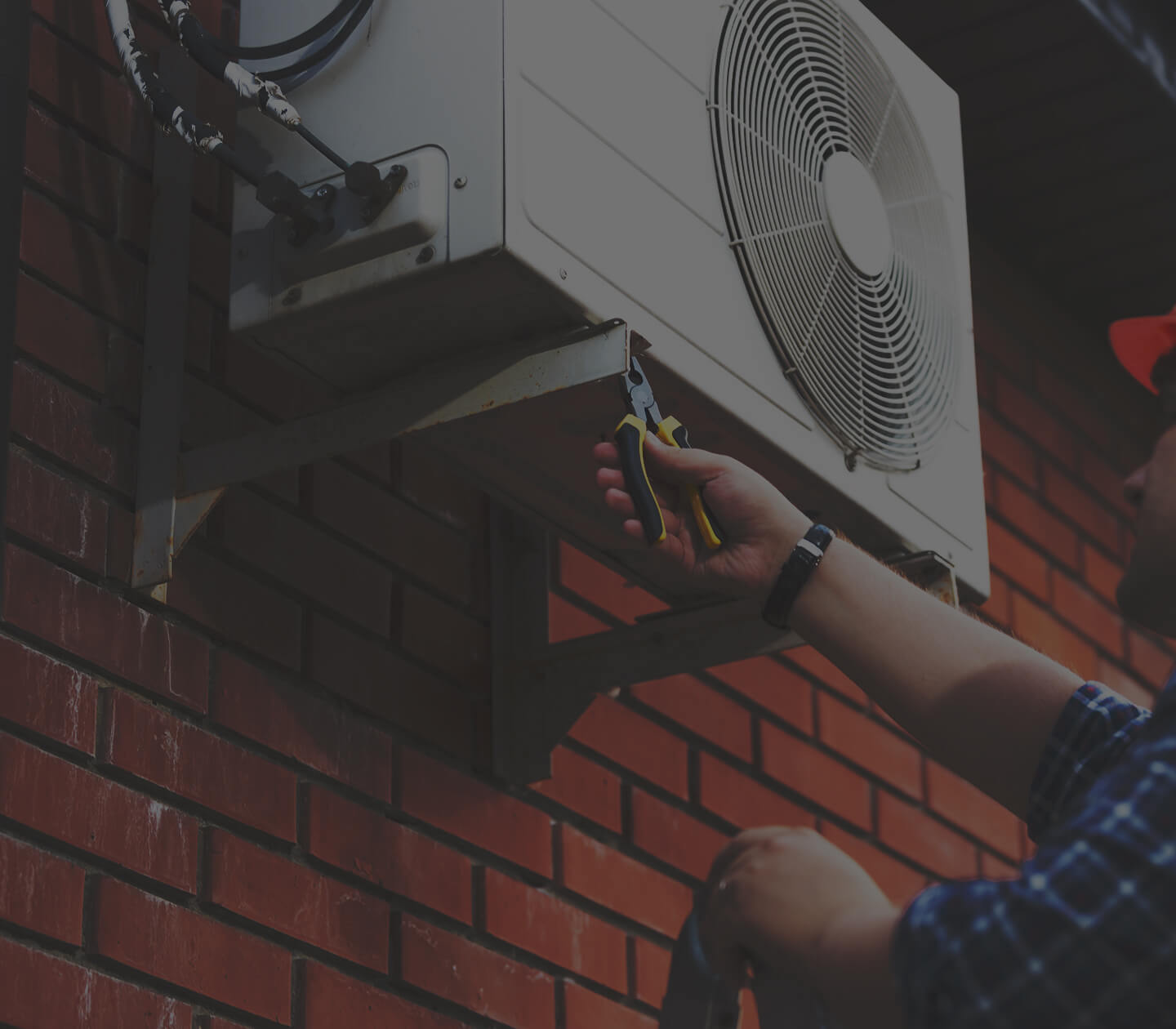
Hot Chicagoland summers put your air conditioning system through a serious workout. When your AC starts blowing warm air, making strange noises, or causing your electric bill to spike, you’re suddenly faced with a big decision regarding ac repair vs replacement. Should you patch up your current unit or start fresh?
It’s a dilemma every homeowner faces eventually. Repairing an existing system can feel easier on your immediate budget, but sinking money into an old, inefficient unit can cost you far more over time. At TemperaturePro of Mokena, our philosophy is simple: we always prioritize your comfort and budget. We’ll always try our best to repair your system before ever recommending a replacement. However, when repairs stop making financial sense, we want you to have all the facts so you can make the best choice for your home and family.
Four Key Factors to Help You Decide
When evaluating whether to schedule another repair or invest in a new air conditioner, ask yourself these four fundamental questions:
- 1. How old is your air conditioner?
The average lifespan of a central AC is 10 to 15 years. If your system is under 10 years old, a repair is usually the most cost-effective path. If it is pushing past 12 to 15 years, major components are nearing the end of their design life, meaning another breakdown is likely right around the corner. - 2. Does it pass the $5,000 Rule?
HVAC experts use a simple formula to compare AC repair cost vs. new unit investment. Multiply the age of your unit in years by the repair quote in dollars. If the total is under $5,000, repair it. If the total is over $5,000, replace it. For example, a 12-year-old system with a $500 repair equals $6,000—meaning replacement is the smarter financial move. - 3. How often are you calling for repairs?
Occasional minor fixes over a decade are normal. But if you’ve had technicians out multiple times over the last couple of summers, those bills add up fast and point to system-wide wear and tear. - 4. Are your energy bills creeping up?
As air conditioners age, they lose efficiency. If your summer cooling bills keep climbing despite normal usage, your unit is working overtime. Modern, high-efficiency cooling systems can significantly cut monthly utility costs.
When to Repair vs. When to Replace
Determining whether to repair your existing equipment or invest in a new setup comes down to evaluating your system’s overall condition and history.
When Repair Makes Sense:
- System Age: The unit is under 10 years old and has been regularly maintained.
- Repair Cost: The repair is minor, costs under $500, or easily passes the $5,000 rule.
- Refrigerant: The system uses standard R-410A refrigerant.
- Reliability: This is the first breakdown you’ve had in several years.
- Comfort: Your energy bills remain normal and the house cools evenly.
When Replacement Is the Better Investment:
- System Age: The unit is 12 or more years old.
- Repair Cost: The fix is major and approaches 50% of the cost of a brand-new system.
- Refrigerant: The unit runs on phased-out R-22 Freon, which is extremely expensive to leak-test and refill.
- Reliability: You are making frequent service calls every single season.
- Comfort: You experience hot spots, high indoor humidity, and skyrocketing energy bills.
3 Red Flags That Mean It’s Time for a New Unit
Beyond age and repair costs, certain critical equipment failures indicate that a replacement is the safest and most economical step forward.
- Your System Uses R-22 Freon: R-22 refrigerant has been fully phased out due to environmental regulations. Refilling an older R-22 system after a leak is exceptionally expensive, making replacement the far more practical choice.
- Major Component Failure: Replacing a burnt-out compressor or cracked evaporator coil on an older system is like putting a new engine in a 15-year-old car. It is usually wiser to put that money toward a new system covered by a fresh warranty.
- Persistent Humidity and Hot Spots: If your home stays warm and muggy despite the unit running non-stop, your system has lost its cooling capacity and can no longer effectively manage indoor humidity.
Frequently Asked Questions About AC Repair vs. Replacement
How long does a typical central air conditioner last in Illinois?
Most central air conditioning units in Chicagoland last between 10 and 15 years. Factors like routine annual maintenance, proper sizing, and proper insulation in your home play a huge role in extending your equipment’s total lifespan.
How much does it cost to replace an AC unit vs. repairing it?
Minor repairs (like replacing a capacitor or contactor) typically range from $150 to $450. Major repairs (like compressors or motor replacements) can easily cost $1,200 to $2,500+. Installing a new, energy-efficient cooling system is a larger initial investment, but it eliminates frequent service calls and reduces monthly utility bills.
Can I replace just the outdoor AC unit and keep my indoor furnace/coil?
While it is technically possible in some cases, HVAC manufacturers strongly recommend replacing both the indoor evaporator coil and outdoor condenser unit together. Mismatched systems reduce efficiency, can void equipment warranties, and lead to premature system failure.
Will a new air conditioner lower my monthly summer energy bills?
Yes! Modern systems are rated under strict SEER2 energy standards. Replacing a 12-to-15-year-old system with a modern high-efficiency AC or heat pump can lower your summer cooling costs by up to 20% to 40%.
Ready for an Honest Opinion on Your AC?
Whether you need a quick repair on a hot afternoon or want to explore replacing your aging unit, TemperaturePro of Mokena is here for homeowners across Mokena, Frankfort, New Lenox, Tinley Park, and the surrounding Southwest Suburbs. Call us today at (708) 304-4028 or schedule your complimentary quote online to speak with our local team