

Fall HVAC prep is one of the most useful things you can do for your home before the cold settles in. A few weeks of attention now can help your furnace, heat pump, or boiler run safely and efficiently through the months when you rely on it most. It also gives you time to handle any repairs on your own schedule.
This guide covers the tasks you can take care of yourself, what a professional tune-up includes, how to winterize your cooling equipment, and the warning signs worth addressing before winter arrives. Whether you’re in Mokena, New Lenox, Orland Park, or elsewhere in the south and southwest suburbs, these steps will help you start the heating season prepared.
Why Early Fall Is the Best Window for Heating Prep
Illinois winters bring long stretches of freezing temperatures, and your heating system may run for many hours a day from late fall into early spring. Early fall gives you mild weather to work with. If your system needs a part or a repair, you can take care of it while your home is still comfortable.

Planning ahead also makes scheduling easier. Service calls tend to pick up once temperatures drop and people turn their heat on for the first time. Booking your maintenance in September or October lets you choose a time that works for you.
Your Fall Heating System Checklist
These tasks take little time and don’t require special tools. Working through them before you switch over to heat helps your system start the season in good shape:
- Replace the air filter. A clean filter supports steady airflow and helps your system run efficiently. Plan to change it every one to three months, depending on the filter type and your home’s indoor air quality.
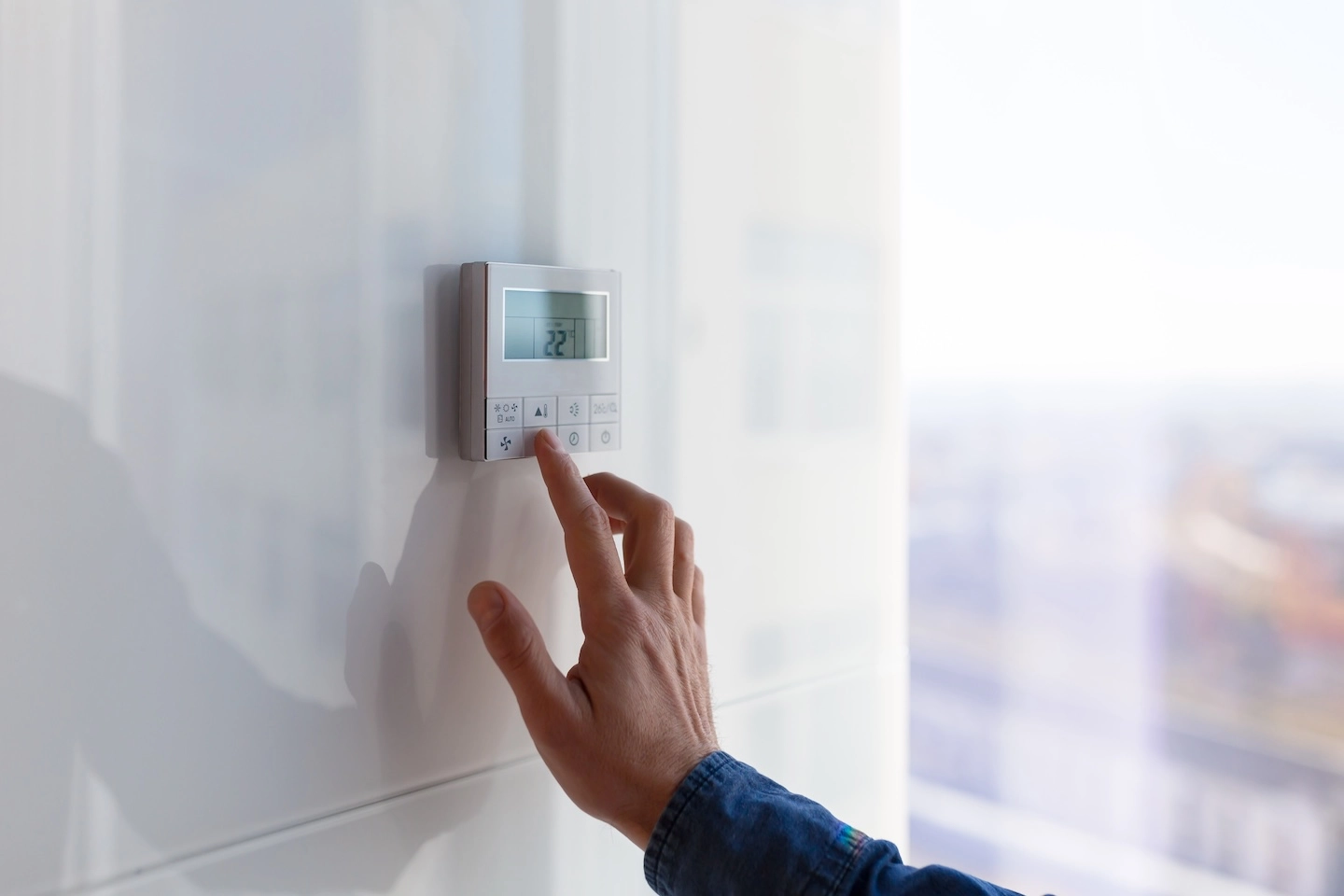
- Test the thermostat. Switch it to heat, raise the setting a few degrees above the current room temperature, and confirm the system responds. Replace the batteries if your thermostat uses them.
- Clear the area around your furnace. Move stored boxes, cleaning supplies, and other items away from the unit so it has room to breathe and technicians have easy access.
- Open and clear vents and registers. Furniture, rugs, and curtains can block supply and return vents. Open any vents you closed over the summer so warm air can move freely through your home.
- Test your carbon monoxide and smoke alarms. Press the test button on each alarm and replace batteries as needed. This is especially important for homes with gas furnaces or boilers.
- Check exterior vents. Look at the furnace exhaust and intake vents outside your home and clear away leaves, nests, or other debris.
- Run a test cycle. Turn on the heat for a short period before you need it. A light dusty smell during the first run of the season is common as accumulated dust burns off, and it should fade quickly.
What a Professional Heating Tune-Up Includes
Homeowner tasks cover the basics, and a professional visit handles the components inside the system. TemperaturePro recommends scheduling a tune-up at least once a year, and fall is a natural time to do it. A heating tune-up from our technicians follows four main steps.
Cleaning: Dust and grime can build up inside a heating unit and interfere with how it operates. A clean system runs more safely and efficiently.
Visual inspection: Technicians inspect your furnace, heat pump, or other heating equipment for cracks, wear, and other signs of developing problems.
Component testing: This includes testing pilot lights and igniters, calibrating and testing thermostat controls, and checking that air pressure and airflow are at the correct levels.
Lubrication: Blowers, motors, and other moving parts need lubrication to operate smoothly and avoid unnecessary wear.
Our team works on furnaces, heat pumps, boilers, and ductless mini splits across a wide range of brands, including Carrier, Trane, Lennox, Goodman, Rheem, and others.
HVAC Winterization in Illinois for Your Outdoor Equipment
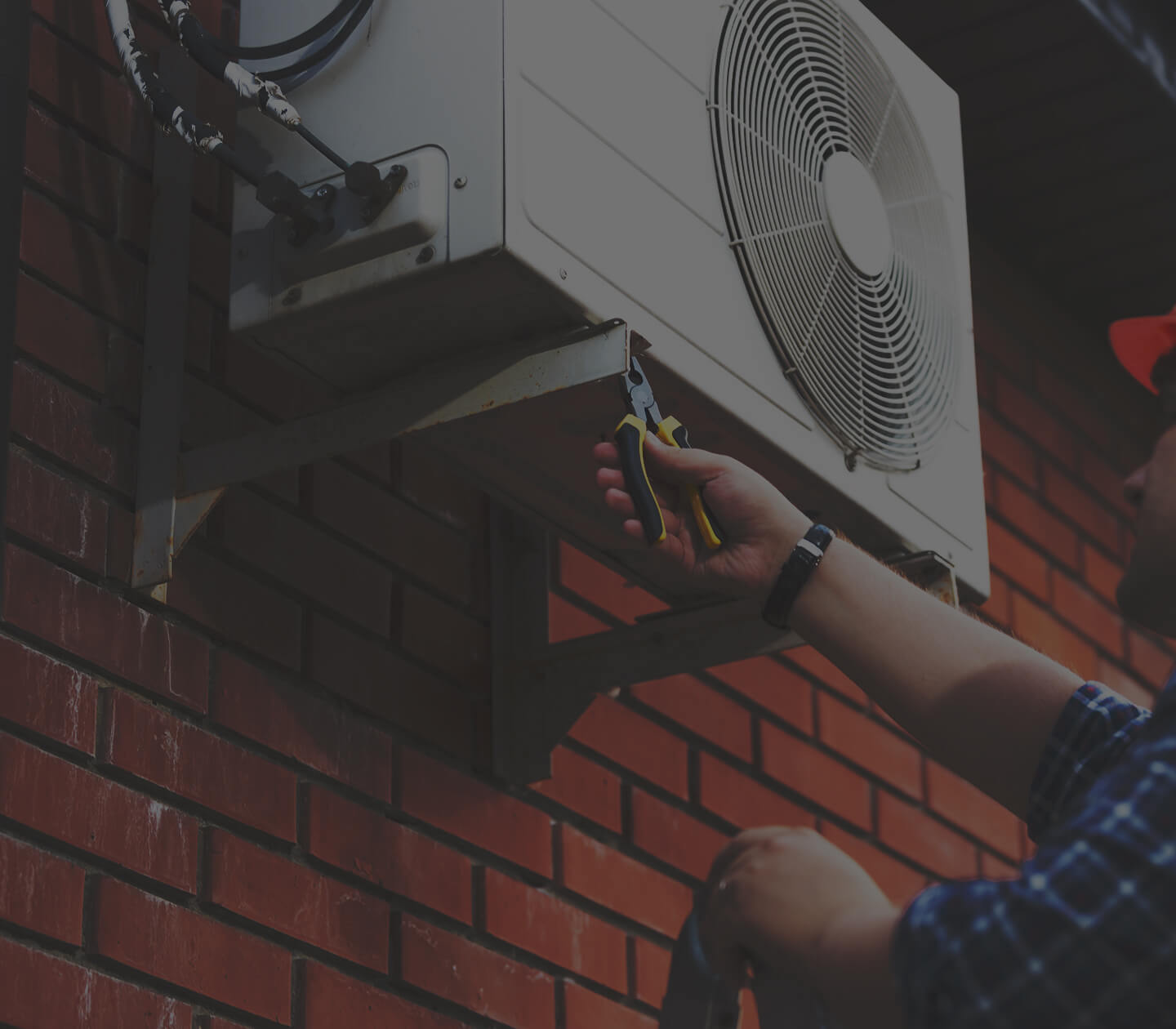
HVAC winterization in Illinois depends on the type of system you have outside your home. If you have a central air conditioner, the outdoor condenser sits idle all winter. Clear away leaves, sticks, and grass clippings from around the unit before the snow comes. Some people place a breathable cover over the top of the unit to keep debris out. Avoid wrapping the entire unit in plastic, since trapped moisture can lead to rust and invite pests looking for shelter.
If you have a heat pump, your outdoor unit keeps working through the winter because it provides your heat. Leave it uncovered and keep the area around it clear of snow, ice, and debris so air can flow through it. Check it after heavy snowfalls to make sure drifts haven’t built up against the sides.
Warning Signs to Address Before the First Freeze
Some issues are easy to overlook in the fall and much harder to live with in January. If you notice any of the following during your test run, it’s a good time to schedule a visit:
- The system blows cold or lukewarm air when set to heat. This can point to thermostat settings, an ignition problem, a clogged filter, or an issue with the heat exchanger.
- You hear banging, grinding, squealing, or rattling from the unit.
- The system turns on and off frequently without reaching the set temperature.
- Some rooms heat unevenly compared to others.
- Your heating bills have been climbing without a change in how you use the system.
- Your furnace is approaching 15 to 20 years old, which is its typical lifespan with proper maintenance.
Catching these early gives you time to arrange heating repair before temperatures drop and your system is working its hardest.
Staying on Top of Maintenance Year-Round
Fall prep sets up a strong heating season, and consistent maintenance helps keep your system reliable from one year to the next. TemperaturePro’s ProPlan membership is designed to catch small problems before they turn into expensive fixes. Members receive benefits that include:
- Bi-annual maintenance visits (annual maintenance is also available)
- Discounts on parts and labor
- Priority scheduling during peak seasons
- No overtime charges
- Flexible billing options
With visits in both spring and fall, your heating and cooling equipment gets checked before each season begins.
Frequently Asked Questions About Seasonal Heating Care
When should I schedule my fall furnace maintenance?
Early fall is ideal, before you begin using your heat regularly. This leaves time to handle any repairs while the weather is still mild.
How often should I change my furnace filter during the winter?
Every one to three months is a good guideline. Your filter type, household pets, and indoor air quality all affect how quickly a filter fills up, so check it monthly during heavy use.
Do I need to cover my outdoor unit for winter?
It depends on your system. A central air condenser can have a breathable cover over the top, while a heat pump should stay uncovered since it runs throughout the winter.
Why does my furnace smell when I turn it on for the first time in fall?
A mild burning dust smell is common during the first run of the season and should clear up within a short time. If the smell lingers or seems unusual, turn off the system and contact a technician.
Get Your Home Ready for the Cold Months Ahead with TemperaturePro Mokena
A little preparation now helps your heating system keep your home comfortable all winter. TemperaturePro Mokena is locally owned and operated, and our technicians serve homeowners throughout Will County, DuPage County, and parts of Cook County. We offer heating inspections, tune-ups, repairs, and installations, along with 24/7 emergency service for when you need help outside regular hours.
Book online or give us a call to schedule your fall heating tune-up.